
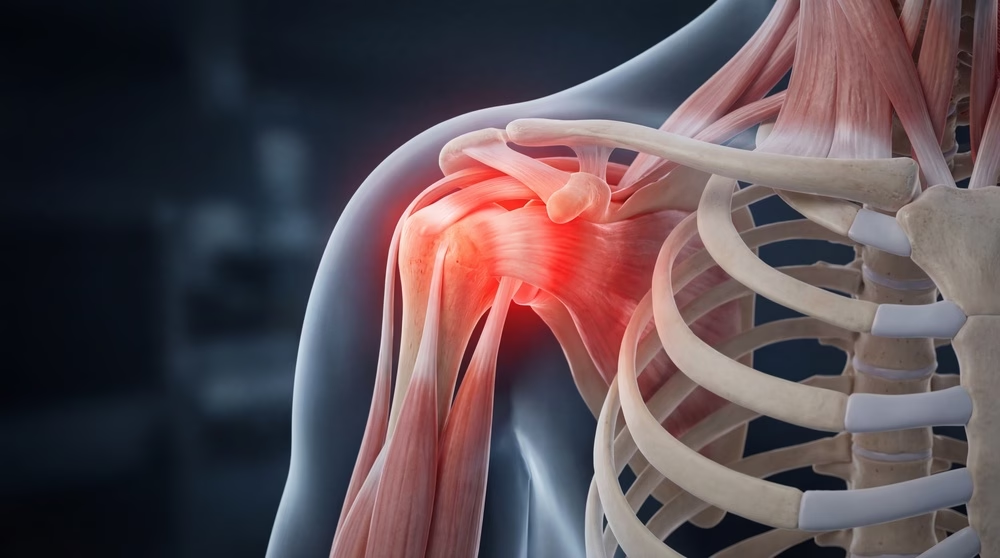
If you wake up with stiff joints, aching muscles, or persistent fatigue, chronic inflammation is likely the culprit. While prescription medications have their place, simple daily habits and targeted nightly routines can provide significant, lasting relief without pharmaceutical side effects.
While reversing chronic inflammation requires long-term consistency, you can noticeably calm inflammatory flare-ups overnight. Combining an immediate nightly routine with sustainable daily habits allows you to reduce morning stiffness, improve your mobility, and take control of your health.
How to Reduce Inflammation in the Body Overnight
You cannot erase years of systemic inflammation in eight hours, but you can dramatically lower circulating inflammatory compounds by morning. The fastest overnight levers are sleep environment, hydration timing, and what you eat after 6:00 PM.
Your Tonight-to-Tomorrow Morning Plan
- Stop Eating 2 to 3 Hours Before Bed: Digesting heavy meals late at night spikes blood sugar and keeps core body temperature elevated, disrupting cellular repair.
- Drink 16 Ounces of Water in the Evening: Mild dehydration concentrates inflammatory waste in your joints, making morning stiffness significantly worse.
- Skip Alcohol and Refined Sugar at Dinner: Both trigger rapid blood sugar spikes and gut irritation, releasing pro-inflammatory cytokines into your bloodstream while you sleep.
- Take a Warm Shower or Stretch for 10 Minutes: Light heat or gentle movement before bed increases blood flow, helping flush metabolic waste out of tight tissues before you sleep.
A Simple Nightly Anti-Inflammatory Routine
Sleep is when your immune system resets and inflammatory markers shift most dramatically. Following a structured evening routine maximizes overnight recovery:
- 7:00 PM — Finish Dinner: Focus on lean protein, leafy greens, and healthy fats like olive oil.
- 8:00 PM — Sip Anti-Inflammatory Tea: Enjoy a warm cup of ginger or turmeric tea to calm digestion.
- 9:00 PM — Legs-Up-The-Wall Pose: Elevate your legs against a wall or on pillows for 10 minutes to reduce fluid retention in swollen ankles and knees.
- 9:30 PM — Turn Off Screens: Blue light suppresses melatonin production. Restoring natural melatonin levels lowers key inflammatory markers like C-reactive protein (CRP) and interleukin-6 (IL-6).
- 10:00 PM — Keep the Bedroom Cool: Set your thermostat between 65°F and 68°F. A cooler room promotes deeper slow-wave sleep, which is when tissue repair peaks.
Habit 1: Start Your Day with Gentle Movement
During sleep, lack of movement causes fluid to pool in joint capsules, while overnight inflammatory markers reach peak concentration. Gentle morning movement acts as a mechanical pump, flushing out inflammatory waste and bringing fresh, oxygenated blood to stiff tissues.
For patients actively exploring options for back pain treatment in Paramus, incorporating a structured morning movement routine serves as a vital first step to reduce lumbar stiffness and ease spinal discomfort before daily activities begin.
What to Do (10 to 15 Minutes)
Instead of static holding stretches, focus on fluid, dynamic motions:
- Light joint rotations for ankles, wrists, shoulders, and hips
- Gentle bed stretches or cat-cow spinal flows before standing
- A short 5-minute walk around your home
- Tai chi or low-impact yoga movements
Habit 2: Eat Whole Foods & Avoid the 5 Worst Trigger Foods
Diet is one of the most powerful levers for controlling systemic inflammation. Focus on adding antioxidants and omega-3 fatty acids while eliminating key dietary triggers.
The 5 Worst Foods That Trigger Inflammation
- Sugar-Sweetened Beverages: Soda and sweetened teas trigger immediate insulin spikes, signaling your liver to release pro-inflammatory cytokines within hours.
- Processed Meats: Bacon, hot dogs, and deli meats contain high levels of advanced glycation end products (AGEs) and nitrates that irritate the vascular lining.
- Fried Foods in Seed Oils: Foods deep-fried in recycled corn, soy, or canola oil contain trans fats and oxidized omega-6 fatty acids that promote cell oxidation.
- Refined Carbohydrates: White bread, pastries, and processed cereals quickly break down into glucose, driving up systemic inflammatory responses.
- Excessive Alcohol: Drinking more than one standard drink per day disrupts the gut barrier, allowing endotoxins to leak into the bloodstream.
Top Anti-Inflammatory Foods to Include
- Fatty Fish: Salmon, sardines, and mackerel packed with EPA and DHA omega-3s.
- Leafy Greens & Berries: Spinach, kale, blueberries, and blackberries rich in polyphenols.
- Healthy Fats & Spices: Extra virgin olive oil, walnuts, turmeric, and fresh ginger.
What to Drink to Clear Inflammation
Hydration supports every organ system, keeping joint cartilage lubricated and assisting the kidneys in flushing out inflammatory waste.
| Beverage | Key Active Compound | Primary Benefit |
| Filtered Water | H2O | Flushes metabolic waste; aim for 64+ oz daily |
| Green Tea | Epigallocatechin gallate (EGCG) | Neutralizes free radicals and inhibits NF-kB pathways |
| Tart Cherry Juice | Anthocyanins | Reduces post-exercise muscle soreness and lowers uric acid |
| Ginger Tea | Gingerols | Suppresses pro-inflammatory enzyme production |
| Golden Milk (Turmeric) | Curcumin | Reduces joint pain; pair with black pepper for maximum absorption |
The Strongest Natural Anti-Inflammatories
When dietary adjustments need extra support, specific natural compounds have strong clinical backing for lowering inflammatory cascades:
- Curcumin (Turmeric Extract): The most researched natural anti-inflammatory. Clinical studies typically use 500 mg to 1,000 mg daily. Note: Always look for formulas containing piperine (black pepper extract), which enhances absorption by up to 2,000%.
- Omega-3 Fish Oil: Doses of 1,000 mg to 2,000 mg of combined EPA/DHA help modify lipid mediators and suppress inflammatory eicosanoids.
- Boswellia (Indian Frankincense): Studies show Boswellia inhibits 5-LOX, an enzyme that drives leukotriene-mediated inflammation in joints.
Habit 3: Practice Daily Stress Reduction
Chronic psychological stress causes your body to continuously release cortisol. Over time, immune cells become desensitized to cortisol, allowing runaway systemic inflammation to develop.
The clinical team at Prestige Pain Centers emphasizes stress management alongside physical rehabilitation, as managing nervous system stress directly reduces pain perception and cellular inflammation.
5-Minute Daily Practices
- 4-7-8 Breathing: Inhale through your nose for 4 counts, hold for 7, and exhale slowly through your mouth for 8.
- Time in Nature: A 15-minute walk outdoors significantly lowers circulating adrenaline and stress hormones.
- Brief Guided Meditation: Focus on your breath to shift your body out of “fight-or-flight” and into a restorative parasympathetic state.
Habit 4: Prioritize 7 to 9 Hours of Quality Sleep
While habit routines help prepare you for rest, achieving deep, uninterrupted sleep is non-negotiable for metabolic recovery. Studies consistently show that sleeping fewer than six hours per night elevates circulating interleukin-6 (IL-6) and C-reactive protein (CRP) levels.
Because restorative sleep plays such a critical role in calming systemic flare-ups, individuals consulting a pain clinic in Hamilton are frequently advised to optimize sleep hygiene as a core foundation of their treatment plan.
Stick to a consistent sleep schedule seven days a week, keep your bedroom dark using blackout curtains, and eliminate caffeinated beverages after 2:00 PM.
Action Plan: Overnight vs. Long-Term Habits
| Timeline | Focus Area | Action Steps |
| Tonight | Fast Relief | Stop eating 3 hours before bed, drink 16 oz of water, turn off screens by 9:30 PM, and keep your room at 66°F. |
| Every Morning | Circulation | Perform 10 minutes of gentle joint rotations or dynamic stretches to clear morning stiffness. |
| Daily Habit | Nutrition & Rest | Eat whole foods, limit the 5 trigger foods, drink green or ginger tea, and aim for 7 to 9 hours of sleep. |
When to Seek Professional Guidance
While lifestyle modifications significantly lower inflammatory load, you should consult a healthcare provider if you experience sudden severe joint swelling, persistent fever, unexplainable weight loss, or chronic pain that interferes with basic mobility.
Taking control of your health starts with small, deliberate choices. Pick one nightly habit to start this evening, build consistency over the coming weeks, and give your body the environment it needs to rest, repair, and move without pain.
If you are looking for guidance on managing chronic pain and systemic inflammation, contact Prestige Pain Centers today to explore personalized treatment plans customized to your needs.