
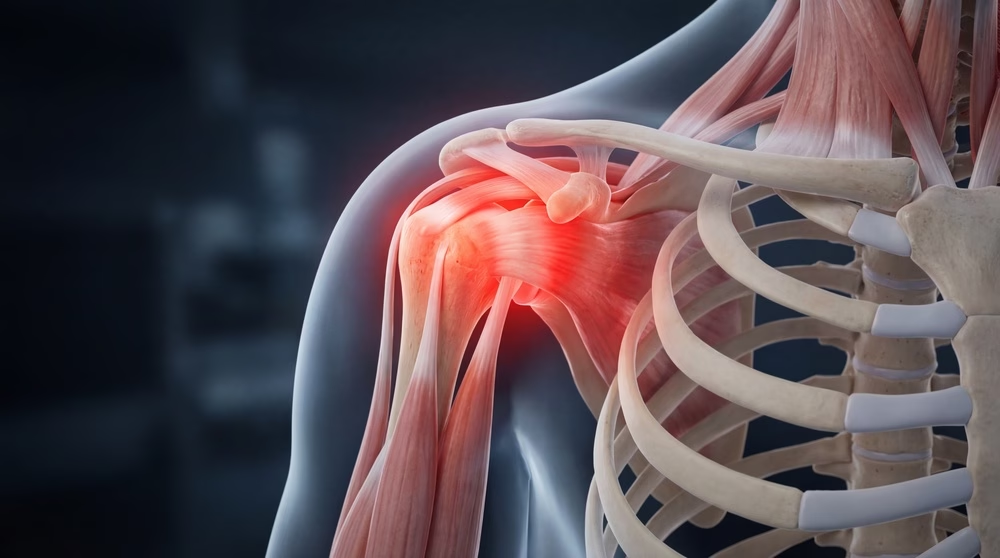
Chronic inflammation affects millions of people, causing pain, stiffness, and reduced quality of life. While medication can help, developing simple daily habits often provides significant relief without pharmaceutical side effects.
These five evidence-based practices can help you reduce inflammation naturally and move more comfortably through your day.
Understanding Chronic Inflammation
Your body’s natural reaction to an injury or infection is inflammation. Acute inflammation promotes healing. Chronic inflammation is not the same. It can harm healthy tissues and last for a long time.
Common signs of chronic inflammation include:
- Joint pain and stiffness
- Muscle aches
- Persistent fatigue
- Digestive problems
- Frequent infections
- Brain fog
Multiple factors contribute to chronic inflammation, including poor diet, stress, lack of sleep, and sedentary lifestyle. The good news is that addressing these factors through daily habits can make a real difference.
Habit 1: Start Your Day with Gentle Movement
Morning movement helps reduce inflammation by improving circulation and reducing stiffness that builds up overnight.
Why Morning Movement Works
During sleep, inflammatory markers can increase in your joints and tissues. Gentle movement in the morning helps flush out these inflammatory compounds and brings fresh blood to your tissues. Starting your day with gentle stretching or light activity can be especially helpful for those seeking back pain treatment in Paramus, as improved circulation in the morning helps reduce stiffness and ease discomfort before daily activities begin.
You don’t need intense exercise. Simple movements work best for fighting inflammation.
What to Do
Spend 10 to 15 minutes doing gentle stretches or movements right after waking up. Try:
- Gentle yoga flows
- Simple stretches in bed before standing
- Walking around your home
- Light joint rotations for ankles, wrists, shoulders, and hips
- Tai chi movements
Instead of attempting stretches, concentrate on making fluid, controlled motions. Never push through pain; instead, pay attention to your body.
Building the Habit
Keep comfortable clothes by your bed so you can start moving immediately. Set a reminder on your phone if needed. The key is consistency, not perfection. Even five minutes helps if that’s all you can manage some days.
Habit 2: Eat Anti-Inflammatory Foods Throughout the Day
Food choices dramatically impact inflammation levels. Some foods fuel inflammation while others actively fight it.
Anti-Inflammatory Food Basics
Focus on whole, minimally processed foods rich in antioxidants and omega-3 fatty acids. These nutrients help calm inflammatory processes in your body.
Top Anti-Inflammatory Foods
Include these foods regularly:
- Fatty fish like salmon, sardines, and mackerel
- Leafy greens such as spinach, kale, and collard greens
- Berries including blueberries, strawberries, and blackberries
- Nuts, especially walnuts and almonds
- Olive oil
- Tomatoes
- Turmeric and ginger
- Green tea
Foods to Limit
Certain foods promote inflammation and should be reduced:
- Refined sugars and sweetened beverages
- Processed meats
- Fried foods
- Refined carbohydrates like white bread
- Excessive alcohol
Practical Tips
Start by adding one anti-inflammatory food to each meal rather than overhauling your entire diet overnight. Sprinkle berries on breakfast, add leafy greens to lunch, include fatty fish twice weekly.
Meal planning helps maintain consistency. Prepare simple options you enjoy so healthy eating doesn’t feel like a chore.
Habit 3: Practice Stress Reduction Daily
Chronic stress drives inflammation throughout your body. Managing stress isn’t optional for inflammation control, it’s fundamental.
The Stress-Inflammation Connection
When you experience stress, your body releases cortisol and other hormones. Short-term, this helps you handle challenges. Long-term elevation of these hormones promotes inflammation and suppresses immune function.
Effective Stress Reduction Techniques
Find what works for you from these proven approaches:
- Deep Breathing: Spend five minutes doing slow, deep breathing. Breathe in for four counts, hold for four, exhale for six. This activates your relaxation response.
- Meditation: Even brief meditation sessions help. Start with five minutes of sitting quietly and focusing on your breath. Apps can guide you if you’re new to meditation.
- Nature Time: Spending time outdoors reduces stress hormones. A 20-minute walk in a park or garden provides measurable benefits.
- Creative Activities: Engaging in hobbies like drawing, music, or crafting helps shift your mind away from stressors.
- Social Connection: Talking with friends or family reduces stress. Schedule regular social time, even if it’s just phone calls.
Making It Stick
Schedule stress reduction like any other important appointment. Morning or evening works well for most people. Keep your practice simple so you’ll actually do it consistently.
Habit 4: Prioritize Quality Sleep
Poor sleep increases inflammatory markers throughout your body. Quality sleep helps your body repair and reduces inflammation.
How Sleep Affects Inflammation
During deep sleep, your body produces anti-inflammatory compounds and repairs damaged tissues. Insufficient or poor-quality sleep disrupts these processes.
Studies show that people who sleep less than six hours per night have higher levels of inflammatory markers than those who get seven to nine hours. Because quality sleep plays a critical role in reducing inflammation, many patients looking for a pain clinic in Hamilton are encouraged to improve their sleep habits as part of a comprehensive pain management plan.
Creating Better Sleep
Improve your sleep quality with these steps:
- Consistent Schedule: Go to bed and wake up at the same time daily, even on weekends. This regulates your body’s internal clock.
- Sleep Environment: Keep your bedroom cool, dark, and quiet. Use blackout curtains and consider a white noise machine if needed.
- Evening Routine: Develop a relaxing pre-sleep routine. This might include reading, gentle stretching, or a warm bath.
- Limit Screens: Blue light from phones and computers interferes with sleep hormones. Stop using screens at least one hour before bed.
- Watch Caffeine: Avoid caffeine after 2 PM. It can interfere with sleep even if you don’t notice it.
- Light Exercise: Regular movement improves sleep, but avoid intense exercise close to bedtime.
Tracking Progress
Keep a simple sleep log noting when you go to bed, when you wake up, and how you feel. This helps identify patterns and improvements.
Habit 5: Stay Hydrated with Anti-Inflammatory Beverages
Proper hydration supports every system in your body, including inflammation control. What you drink matters as much as how much you drink.
Hydration and Inflammation
Dehydration makes inflammation worse. Water helps flush inflammatory waste products from tissues and keeps joints lubricated.
Best Beverages for Fighting Inflammation
Plain water forms your foundation, but certain beverages provide extra anti-inflammatory benefits:
- Green Tea: Contains powerful antioxidants called catechins that reduce inflammation. Aim for two to three cups daily.
- Ginger Tea: Fresh ginger has strong anti-inflammatory properties. Simmer fresh ginger slices in water for 10 minutes.
- Tart Cherry Juice: Studies show tart cherry juice reduces inflammation markers. Choose unsweetened varieties.
- Golden Milk: Made with turmeric, this warm drink provides curcumin, a potent anti-inflammatory compound. Mix turmeric with warm milk (dairy or plant-based) and add black pepper to increase absorption.
Hydration Goals
Drink at least eight glasses of water daily, more if you’re active or in hot weather. Spread intake throughout the day rather than drinking large amounts at once.
Keep a water bottle with you as a reminder. Add lemon or cucumber for flavor if plain water doesn’t appeal to you.
Measuring Your Inflammation Reduction Progress
Understanding whether your new habits are working helps maintain motivation and allows you to adjust your approach as needed. While you should always consult healthcare providers for medical assessments, several practical indicators can help you track improvements at home.
Physical Markers to Monitor
Pay attention to these daily signs of reduced inflammation. Measure the amount of time it takes to become relaxed after waking up; morning stiffness duration is a great indicator. Many people notice this time decreasing from 30-45 minutes to just 10-15 minutes within weeks of consistent practice.
Joint mobility improves gradually. Test simple movements like reaching overhead, squatting, or rotating your shoulders. Take brief videos monthly to compare your range of motion objectively. Energy levels throughout the day often increase as inflammation decreases. Note whether you experience afternoon crashes or maintain steadier energy.
Pain levels fluctuate, but tracking patterns helps. Use a simple 1-10 scale in your journal each morning and evening. Look for trends over weeks rather than day-to-day changes. Recovery time after activity also indicates progress; you should bounce back more quickly from physical tasks as inflammation reduces.
Subjective Quality of Life Measures
Beyond physical symptoms, notice improvements in sleep quality, mood stability, and mental clarity. Reduced brain fog and better focus often accompany lower inflammation levels. Your ability to participate in activities you enjoy, whether gardening, playing with grandchildren, or recreational sports, provides meaningful progress markers that matter more than any number.
Combining These Habits for Maximum Benefit
These five habits work together to create powerful anti-inflammatory effects. Start with one or two habits and gradually add others as they become routine.
Sample Daily Schedule
Here’s how these habits might fit into your day:
- Morning: Gentle stretching, green tea
- Throughout the day: Anti-inflammatory meals, regular water intake
- Afternoon: Brief stress reduction practice
- Evening: Light walk, relaxing routine, consistent bedtime
Tracking Your Progress
Keep a simple journal noting which habits you completed and how you feel. Over time, you’ll see patterns connecting your habits with reduced pain and better movement.
What to Expect
Most people notice some improvement within two to four weeks of consistent practice. Significant changes typically take two to three months as your body’s inflammatory processes shift.
Be patient with yourself. Some days will be easier than others. What matters is the overall pattern, not perfection.
When to Seek Professional Help
These habits help many people reduce inflammation significantly. However, see a healthcare provider if you experience:
- Severe or worsening pain
- Swelling that doesn’t improve
- Fever or signs of infection
- Symptoms that interfere with daily activities
Natural approaches work best alongside, not instead of, appropriate medical care when needed.
Moving Forward with Pain Management
Reducing chronic inflammation through daily habits empowers you to take control of your health. Small, consistent actions create significant changes over time.
Start today with one habit. Add others gradually. Your body will thank you with improved movement, less pain, and better overall health. The power to move better and live better is in your hands. If you are ready to take the next step toward better movement and lasting relief, contact Prestige Pain today to get personalized guidance and support.